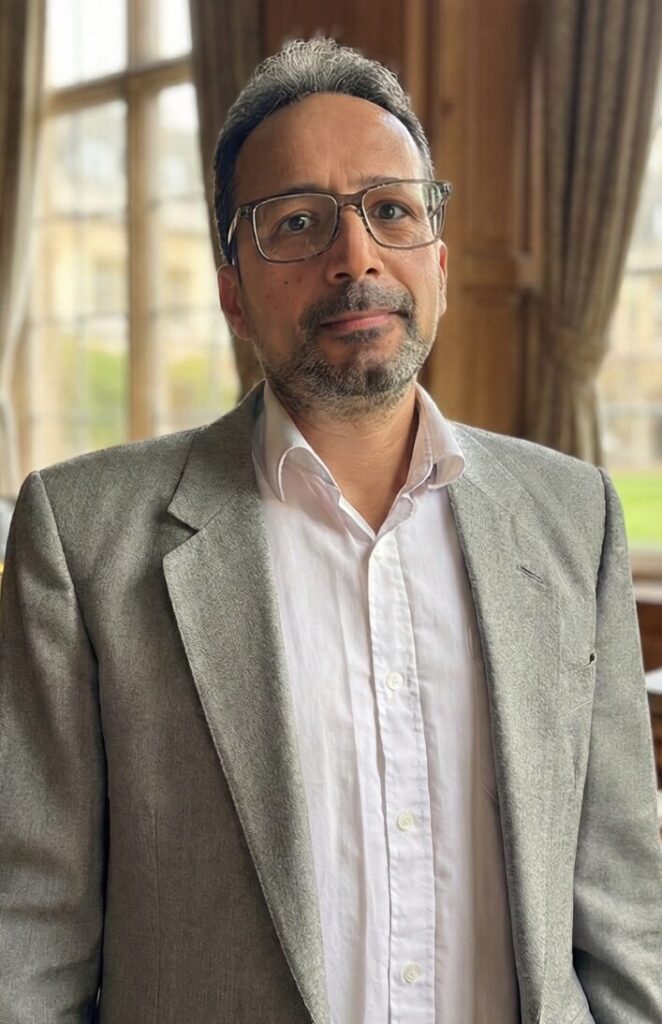
Dr Raed Yacoub, PhD
A creative constructionist learner, lecturer, e-learning advisor and designer, and a consultant in digital accessibility and ICT in education.
I hold a doctorate in educational studies from Greenwich University in London, UK, with a focus on digital and computational technologies in education. I am also a Fellow of the UK Advanced Higher Education (FHEA) and hold a Postgraduate Certificate in Learning and Teaching in Higher Education (PG Cert) from Goldsmiths, University of London.
- Doctor of Philosophy (PhD), Dep of Education and Community Studies, University of Greenwich, 2013-2017. London, UK.
- Postgraduate Certificate in Learning and Teaching in Higher Education (PG Cert), Goldsmiths, University of London, 2018-2019, London, UK.
- MA in Science in Society, Science and Technology. Center for Innovation, Research, and Competence in the Learning Economy (CIRCLE). Major: Innovation and Research Policy Studies, Lund University, 2009-2011, Lund, Sweden.
- Graduate program on Urban Studies and Planning, Massachusetts Institute of Technology (MIT), 2006 – 2007, Cambridge, MA, USA.
- Bachelor of Science in Computer Science, Al-Quds University. 1994-2000, Jerusalem, Palestine.
HONOURS/AWARDS
Key awards and recognitions

The Vice-Chancellor Scholarship, University of Greenwich
The Vice-Chancellor Scholarship, University of Greenwich, London, UK (2013 – 2016)
Awarded the Vice Chancellor Scholarship, School of Education.

Swedish Institute Guest Scholarship programme
Recipient of the prestigious Swedish Institute Guest Scholarship at Lund University, Sweden (2009–2011).

MIT Just Jerusalem Competition
MIT Just Jerusalem Competition Prize, Cambridge, MA, USA (2008-9). Awarded the top prize in the Just Jerusalem Competition at MIT for an innovative urban design proposal using new media and technology.

MIT Media Lab Ideas Institute Fellowship
MIT Media Lab Ideas Institute Fellowship, Cambridge, MA, USA (2005). Explored innovative applications of ‘Scratch’, to enhance and enrich the learning experiences of young learners.
Teaching and Learning Philosophy
My pedagogical practice is underwritten by two core, interlocking principles: Constructionist Learning and a Pedagogy of Care.
As a constructionist learner, I position learners as active makers who construct profound, lasting knowledge by creating personally meaningful artefacts. This philosophy, which grounded my doctoral research on Scratch as an interdisciplinary tool, ensures that learning is engaging, practical, and deeply rooted in disciplinary knowledge.
Inspired by Pedagogy of Care and Inclusion, my design work prioritises student well-being, belonging, and access. This manifests through the development of inclusive blended and distance learning and advocacy for inclusive adjustments and accessibility-first course design.
My key pedagogical approach rigorously scaffolds the ethical and transparent use of gen AI. This is not just about policy; it’s about helping students develop the digital capabilities, judgment, and critical lens needed to thrive in a computational culture while maintaining academic integrity.

Goldsmiths, University of London, UK
2/2018 – Present
E-Learning Advisor and Lecturer: Worked at the Teaching and Learning Innovation Centre (TaLIC) and advised academics on developing engaging pedagogy. Co-led and lectured at the Postgraduate Programme in Learning and Teaching in Higher Education (PG Cert) at Goldsmiths between 2020 and 2023.
Arden University, London, UK
3/2024 – Present
Lecturer at the School of Leadership and Management: Led modules on Innovation and Entrepreneurship, Technology and Innovation, FinTech and Blockchain technologies, and Business Start-up.
ICON College of Technology and Management, London, UK
10/2022 – Present
Taught and assessed modules in Education & Training, including Teaching, Learning & Assessment and Action Learning, Action Research, and the two MA courses on ‘Philosophy, Concepts and Educational Research’, and ‘Pedagogy, Assessment and Conceptions of Feedback’.
Constructionist Research & Scratch Projects
My research and practice in constructionism focus on using hands-on digital tools to enhance creativity and promote deep learning across various disciplines. Here are some examples.
Doctoral Research: An Interdisciplinary Framework
My doctoral research (Yacoub, 2016) took an interdisciplinary approach, using Scratch not only as a teaching tool but also as a methodological tool. I investigated and assessed the impact of computational and constructionist interventions, utilising the Scratch authoring tool, on the achievement of higher levels of multimodal literacies among ESOL learners in a Sixth Form College in London. This interdisciplinary study employed a mixed-methods, case-study approach, demonstrating synergy between constructionist learning theory and the sociocultural approach to multimodal literacy.
The findings indicate that the Scratch computational environment contains valuable linguistic elements and can serve as an essential complementary teaching and learning strategy for literacy learners and tutors. Additionally, the study explores perspectives on computational practices as an emerging medium that transcends traditional views of computing and digital learning practices. Overall, this research provides a scholarly foundation for my teaching practice, highlighting Scratch’s role in developing computational literacy and fostering interdisciplinary learning across academic domains.
This resonates with the emerging gen AI tools, prompting a rethink of the use of digital technologies in teaching and learning. Although these computational perspectives were seen as a complementary alternative to adult learning spaces (Ade-Ojo and Yacoub, 2019), I see gen AI as an evolution that builds on abstract computational frameworks, bringing computational thinking and practices to the heart of teaching, learning, and assessment, as we are witnessing nowadays.

EARLY RESEARCH AND OUTREACH WORK
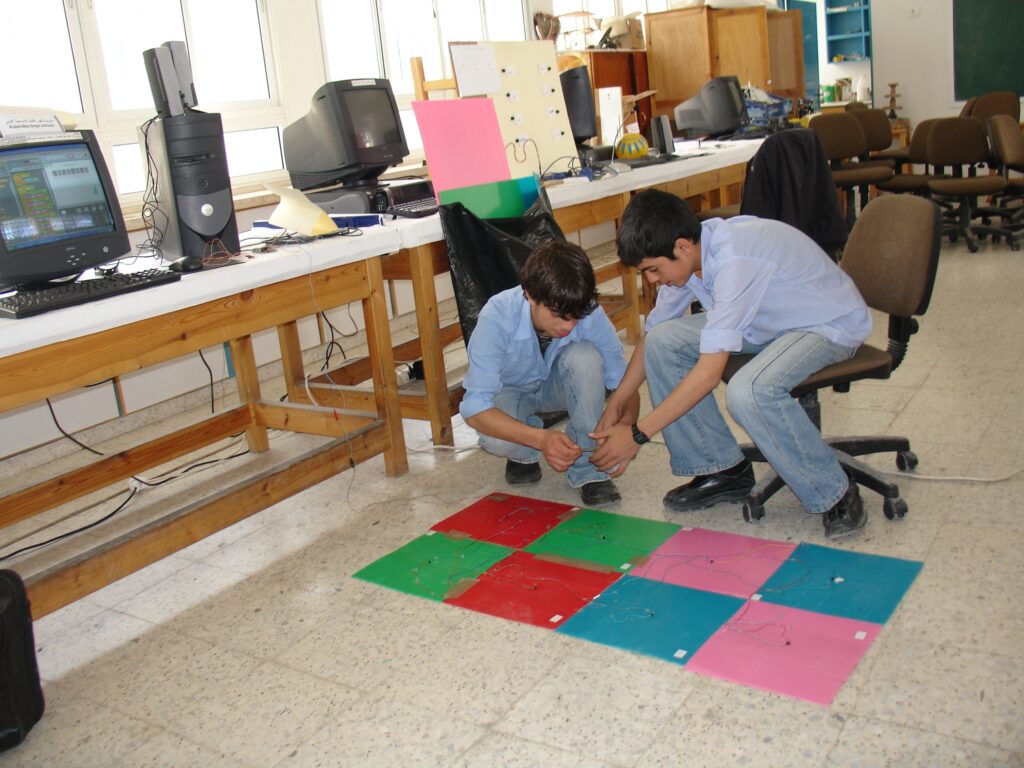
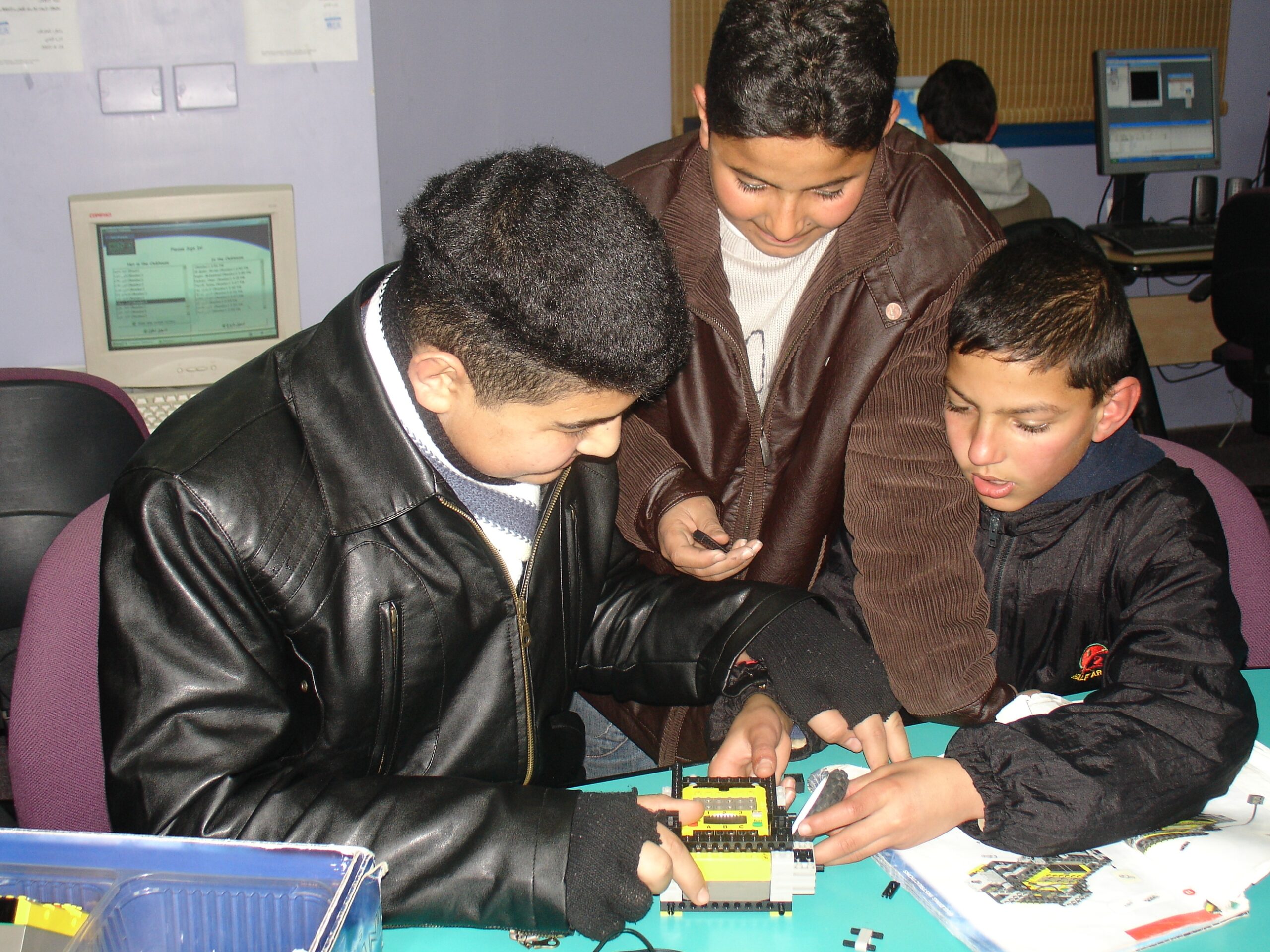
MIT Media Lab IDEAS Institute (2005) and Fulbright-Humphrey (2006-7) Fellowships: During my fellowships at MIT, I researched and contributed to the development of constructionist tools and their potential for innovation in education. I developed and tested research on the Scratch sensor board, exploring its pedagogical utility as a physical computing tool. This work was dedicated to linking digital code with tangible, physical outcomes, encouraging a deeper culture of making and problem-solving among learners.
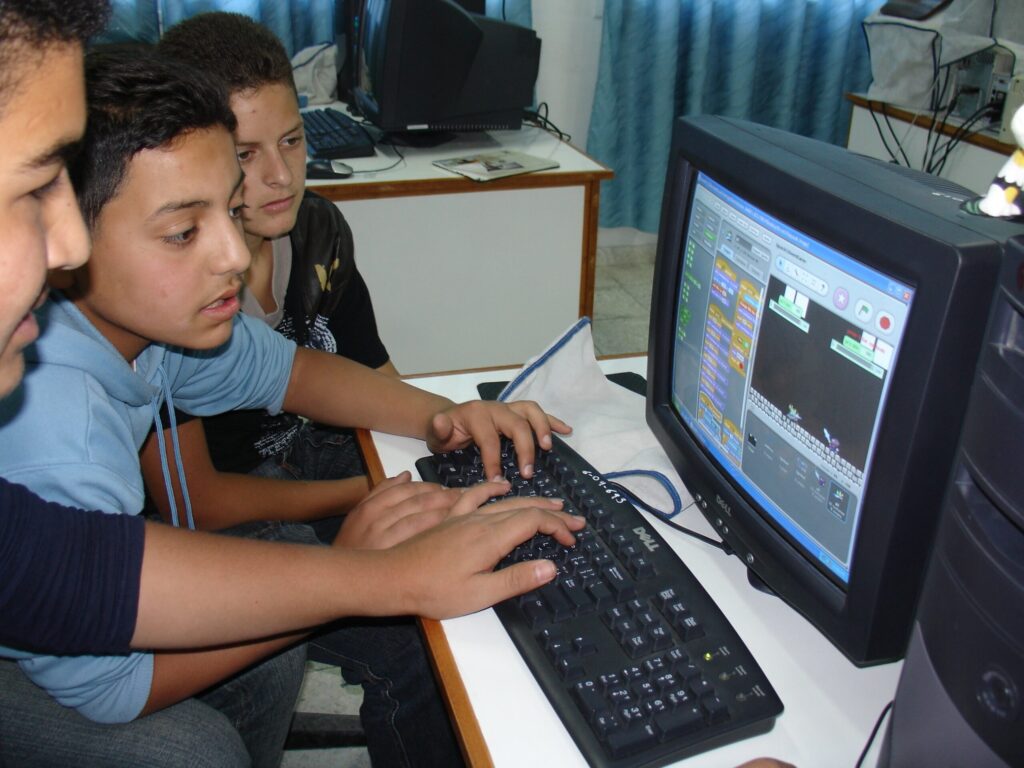
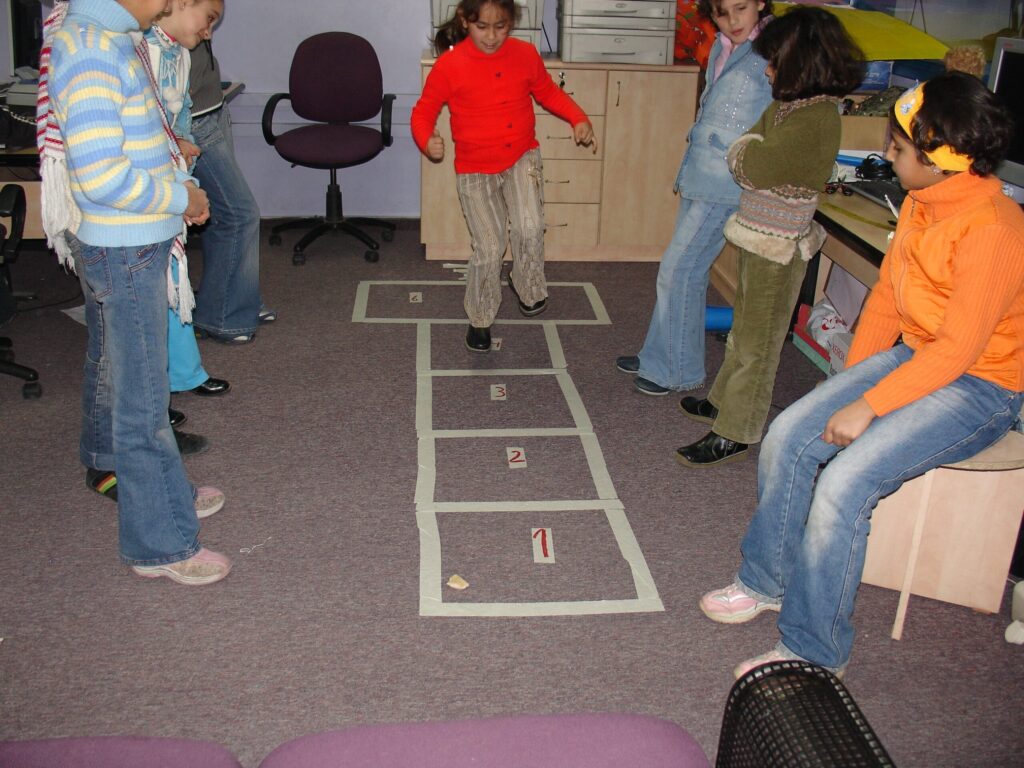
I have experimented with the Scratch programming and authoring tools since 2003/4 in some after-school learning centres, schools, and colleges in Palestine, the USA, and the UK. This gave me the opportunity to apply the constructionist paradigm through hands-on Scratch programs in diverse global settings, demonstrating cultural competence and adaptability.
Led and supported after-school and in-school Scratch programmes in Palestine, the USA, and the UK, focusing on engaging underrepresented youth in computational thinking, digital creativity, and collaborative expression.
Leadership, Community Engagement & Personal Interest
My leadership and service commitments reflect a dedication to values-based education, research, and community engagement, demonstrating collaborative and global competencies in academic Leadership and Editorial Roles:
- Co-editor, Journal of Islamic Educational Research (JIER): A commitment to services that enhance the integration of an Islamic worldview and ethical scholarship into educational discussions.
- Peer Reviewer: Theory, Culture & Society (Sage), contributing to the rigour of academic publishing.
Scholarly Record & Research Agenda
My research record focuses on the critical intersection of educational innovation, technology, and culture, providing a strong foundation for future research leadership.
Selected published work and Conference presentations:
- Conference Paper (2025): Authored and presented “Some notions on user engagement with AI: a computational perspective” at the Teaching and Learning Innovation Centre (TaLIC) Conference, grounded in a Digital Skills Survey indicating strong staff uptake of generative AI.
- Abulibdeh, E., Trayek, F., Yacoub, R., Tunku, A., Al Mahdawi, A. (2025). Digital Citizenship Among Undergraduate Students in Serbia: Ethical Practices and Gender Differences. IEEE International Conference on Intelligent Digitization of Systems and Services (IDSS). Valencia, Spain.
- Conference Research Presentation (2024) Digital Accessibility & VLE Enhancement at Goldsmiths, University of London: co-led an institutional Virtual Learning Environment (VLE) review and pedagogy assessment (Learn.gold Review, 2024). This resulted in the design of exemplar online activities and the authoring of institutional accessibility guidance.
- Perera, S., Pugliese, J., Bui, M., Kasat, P., Qwaider, A., & Yacoub, R. (2021). Book chapter. Introduction: Mapping Deathscapes. In Mapping Deathscapes (pp. 1–21). Routledge.
- Yacoub, R., & Franklin, M. I. (2019). Yarl’s Wood–Death by Indefinite Detention. Case Study in Deathscapes: Mapping Race and Violence in Settler Societies
- Ade-Ojo, G. and Yacoub, R. (2019) Towards a pedagogy of complementary alternative adult literacy learning spaces (CALLS) in ESOL and literacy learning: A case study of the use of a computerised environment (SCRATCH) in an ESOL class, Studies in the Education of Adults, 51:1, 89-108
- Yacoub, R., & Franklin, M. I. (2019). Yarl’s Wood–Death by Indefinite Detention. Case Study in Deathscapes: Mapping Race and Violence in Settler Societies.
- Panellist at the European Dialogue on Internet Governance (EuroDIG). Tallinn, Estonia, June 2017. Workshop title: ‘Digital citizenship, integration and participation’.
- Yacoub, R. (2016). An evaluation of the impact of computational interventions (Scratch) on the learning of ESOL students. University of Greenwich.
- Yacoub, R. (2011) The Institutionalization of the Campus-Community Partnership: The Case of Lund University and the MIT. Master Thesis in Society, Science and Technology, Lund University, Sweden.
- Panellist at the “Citizen Mapping” session, ICT4D conference, University of London, London, UK. December 2010.
- Sawhney, N., Yacoub, R., Norman, J., (2009) Jerusalem and Belfast: Envisioning Media Arts for Urban Renewal and Cultural Identity in Divided Cities. The Jerusalem Quarterly Journal, Issue 39, Institute for Jerusalem Studies.
Voices Beyond Walls
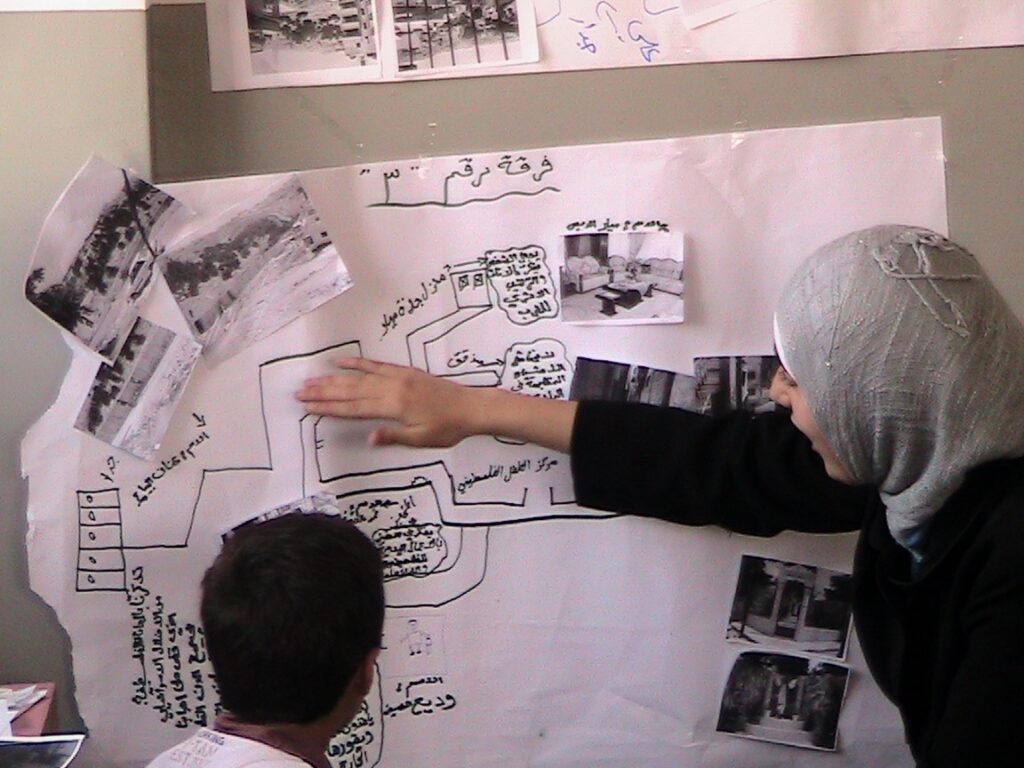

As a co-founder of Voices Beyond Walls, a grassroots digital storytelling initiative led by a local and international team, I have a personal commitment to community development that complements my academic work, as evidenced by my contributions to this grassroot initiative. This is a non-profit organisation I co-founded with a mission of using art and media as powerful tools to amplify the diverse voices and perspectives of marginalised youth living in conflict zones, providing them with a platform for self-expression and advocacy.
Voices Beyond Walls is a participatory media initiative that supports creative expression and human rights advocacy among impoverished youth through digital storytelling workshops, new media production, and global dissemination of their work.

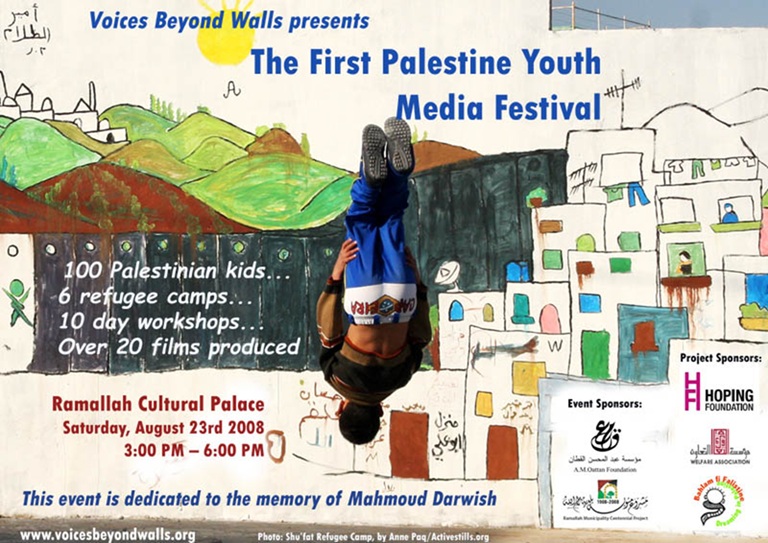
First Palestinian Youth Short Film Festival (2008)
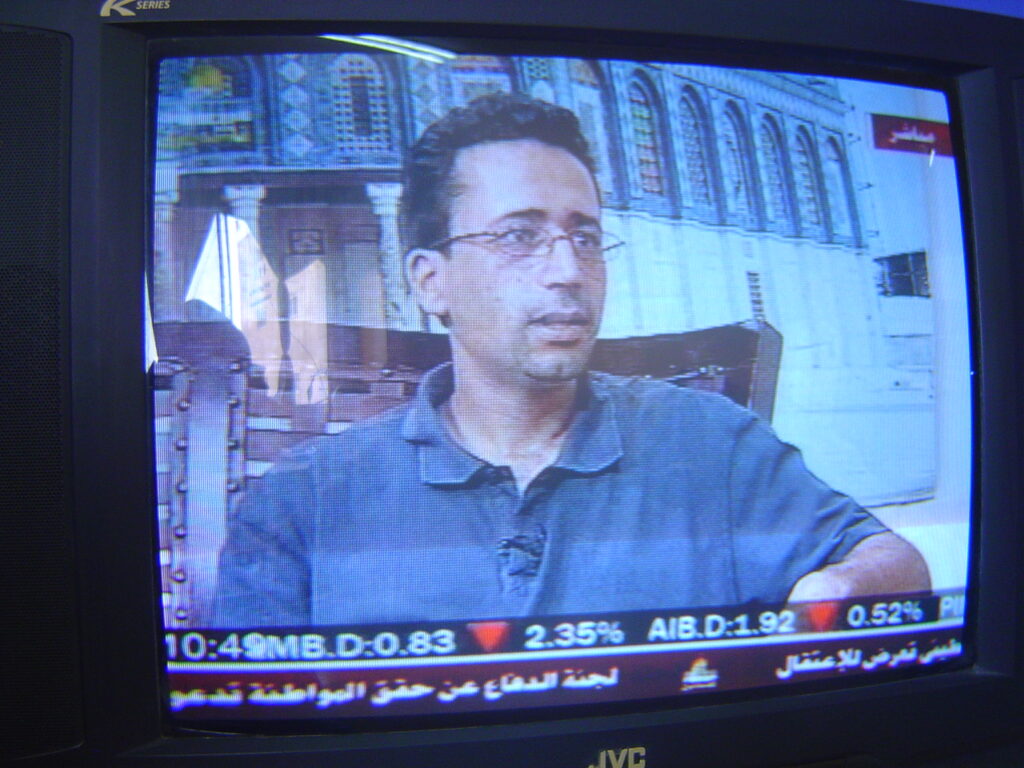
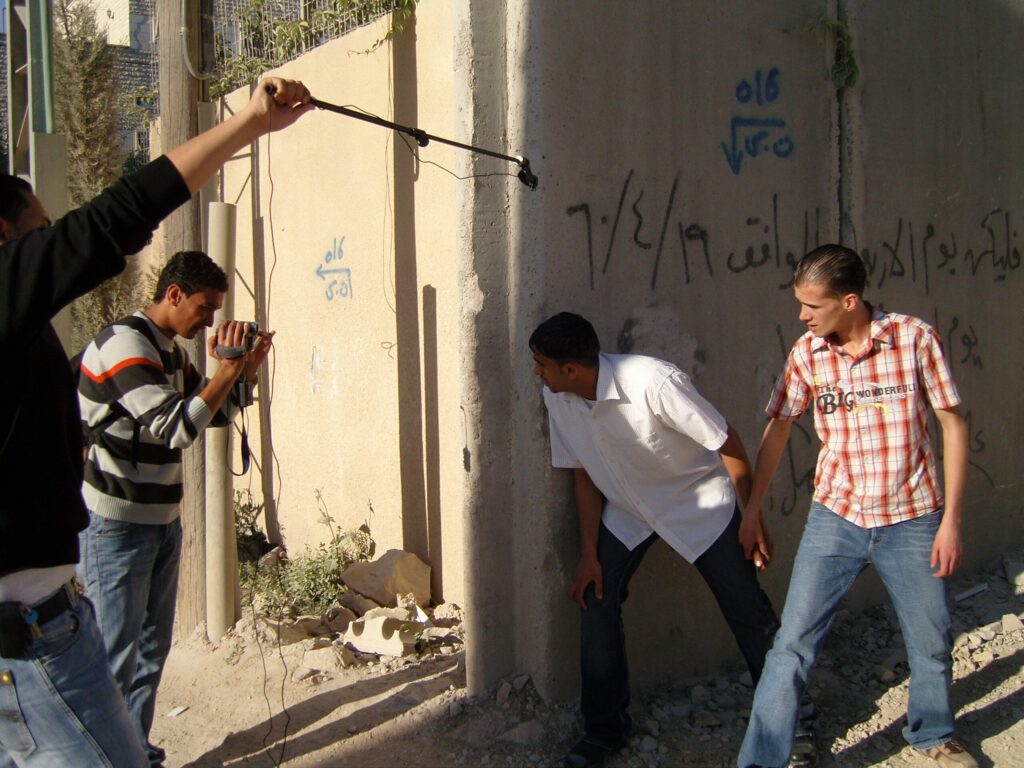
Drawing on my own pedagogical experience and extensive fieldwork, I have a keen interest in the application of digital technologies and new media in education, community development and civic engagement. I have co-founded a non-profit participatory digital storytelling programme (Voices Beyond Walls) in the West Bank and East Jerusalem. I have promoted the design, planning, and delivery of dozens of digital storytelling summer workshops for marginalised Palestinian youth and their local trainers between 2007 and 2011, which led to the first Palestinian Youth Short-Film Festival in the West Bank in 2008.


Jerusalem 2050 Visionary Fellowship at MIT
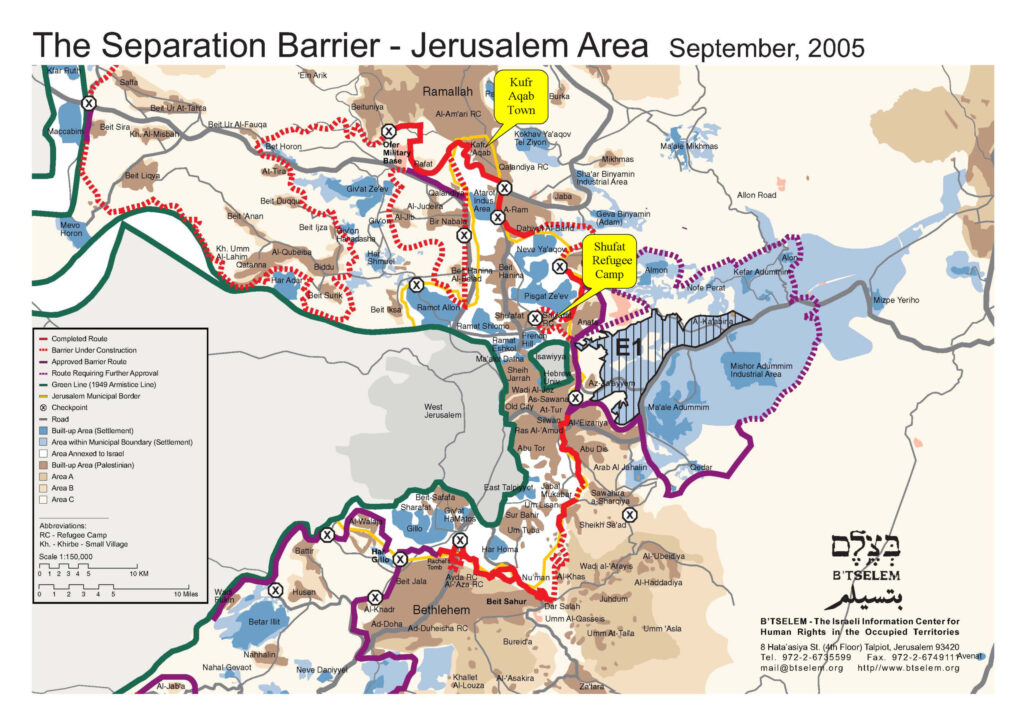
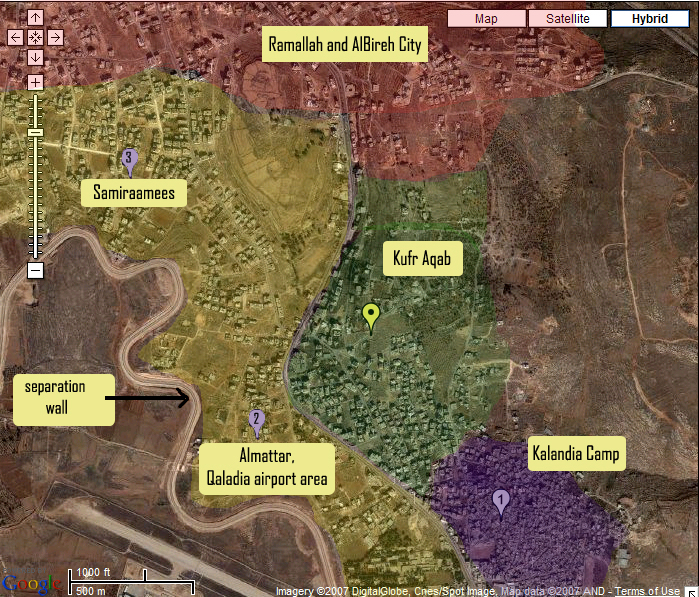
In 2008, I was awarded a Visionary Fellowship at MIT for the ‘Jerusalem 2050’ Project, co-sponsored by the Department of Urban Studies and Planning and the Center for International Studies. My research focused on the use of new media for civic engagement and community development in conflict-divided cities, particularly Jerusalem. Collaborating with other academics and practitioners, my team and I developed a proposal envisioning a peaceful and just Jerusalem. Our proposal, titled ‘Media Barrios,’ won the top prize in a competition for urban design plans, where we competed against more than a thousand applicants. As a result of our efforts, our work contributed to a deeper understanding of how media can foster cultural identity and promote urban renewal in divided cities. This is reflected in my academic article titled “Jerusalem and Belfast: Envisioning Media Arts for Cultural Identity and Urban Renewal in Divided Cities“.
Digital Accessibility Leadership

- AccessibilityNet founder (2025): This entrepreneurial venture focused on leading and performing accessibility audits for digital learning environments, demonstrating a proactive approach to inclusive design.
- Digital Accessibility & VLE Enhancement at Goldsmiths, University of London: co-led an institutional Virtual Learning Environment (VLE) review and pedagogy assessment (Learn.gold Review, 2024). This resulted in the design of exemplar online activities and the authoring of institutional accessibility guidance.
AI and Digital Tech in Education
EARLY RESEARCH AND OUTREACH WORK
My research record focuses on the critical intersection of educational innovation, technology, and culture, providing a strong foundation for future research leadership.
I believe AI can be explored from a computational perspective. The rapid development aligns with the view of computational practices and computational thinking (Brennan & Resnick, 2012), where the AI domain, like digital technologies, is in flux.
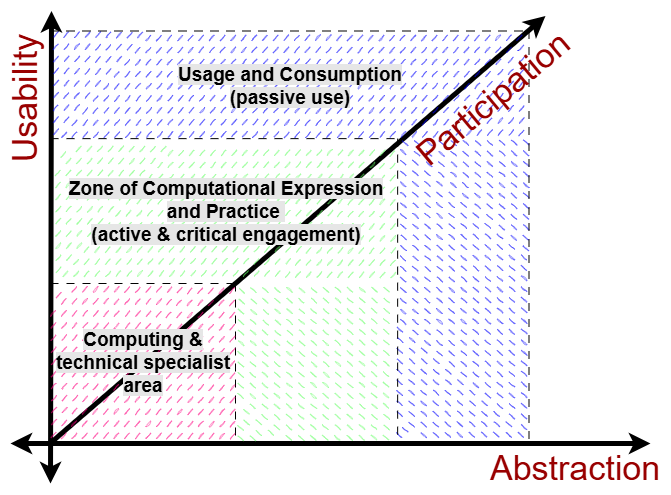
Based on my recent contributions to two conferences, my current work focuses on developing digital literacies and computational frameworks to support the inclusion of AI capabilities and skills. For example, Computational Zone (Based on Yacoub, 2016) in the Figure below suggests that participation and computational engagement, including engagement using AI tools, is a function of abstraction and usability.
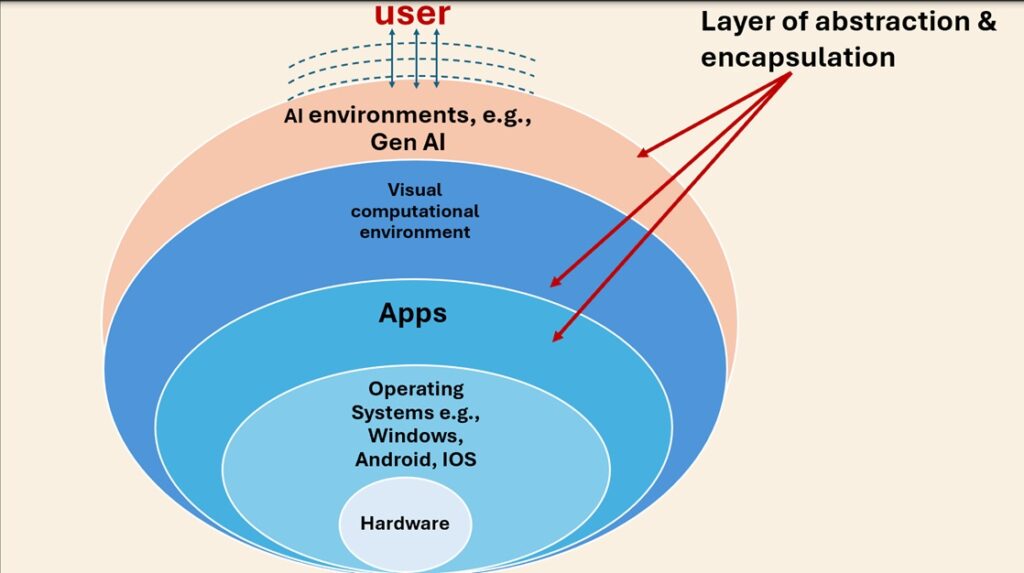
Also, abstraction and encapsulation are common in the computing domain, as illustrated in the second chart below, which shows layers of abstraction, starting from the hardware, Operating Systems (80ies), apps, visual computational layer, and on top, currently AI environments, such as the AI tools we are seeing nowadays. As illustrated, the user is interacting with these layers, primarily the AI layer at the top.
This is a taste of what I am currently working on. I aim to publish this work in relevant peer-reviewed academic journals this spring/summer.